Plunder, Trade, Ham, and Other Questionable Life Choices
Recently I had the opportunity to travel to Barcelona for work, and after the business side wrapped up, I was fortunate enough to spend some personal time exploring one of the most fascinating cities I’ve ever visited.
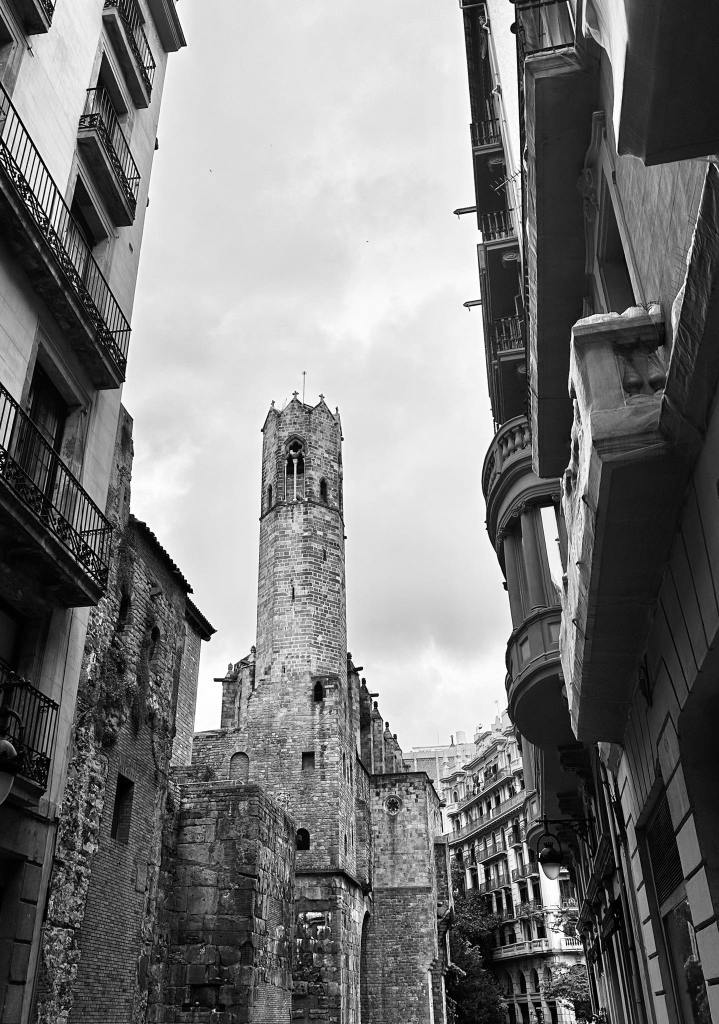
I wandered through the Gothic Quarter, walked streets older than many nations, and stood inches away from Roman walls and medieval structures that have somehow survived centuries of war, politics, and time itself. There’s something surreal about touching stone that people laid nearly 2,000 years ago.
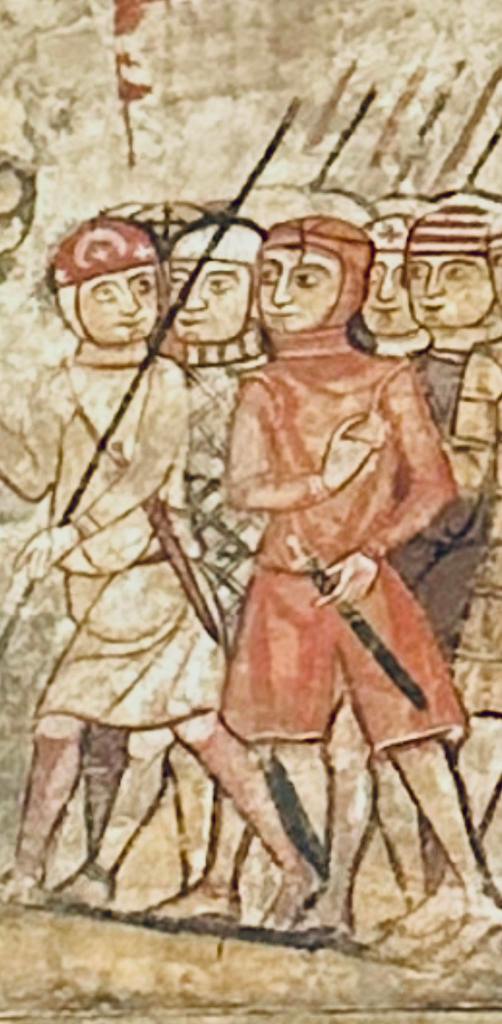
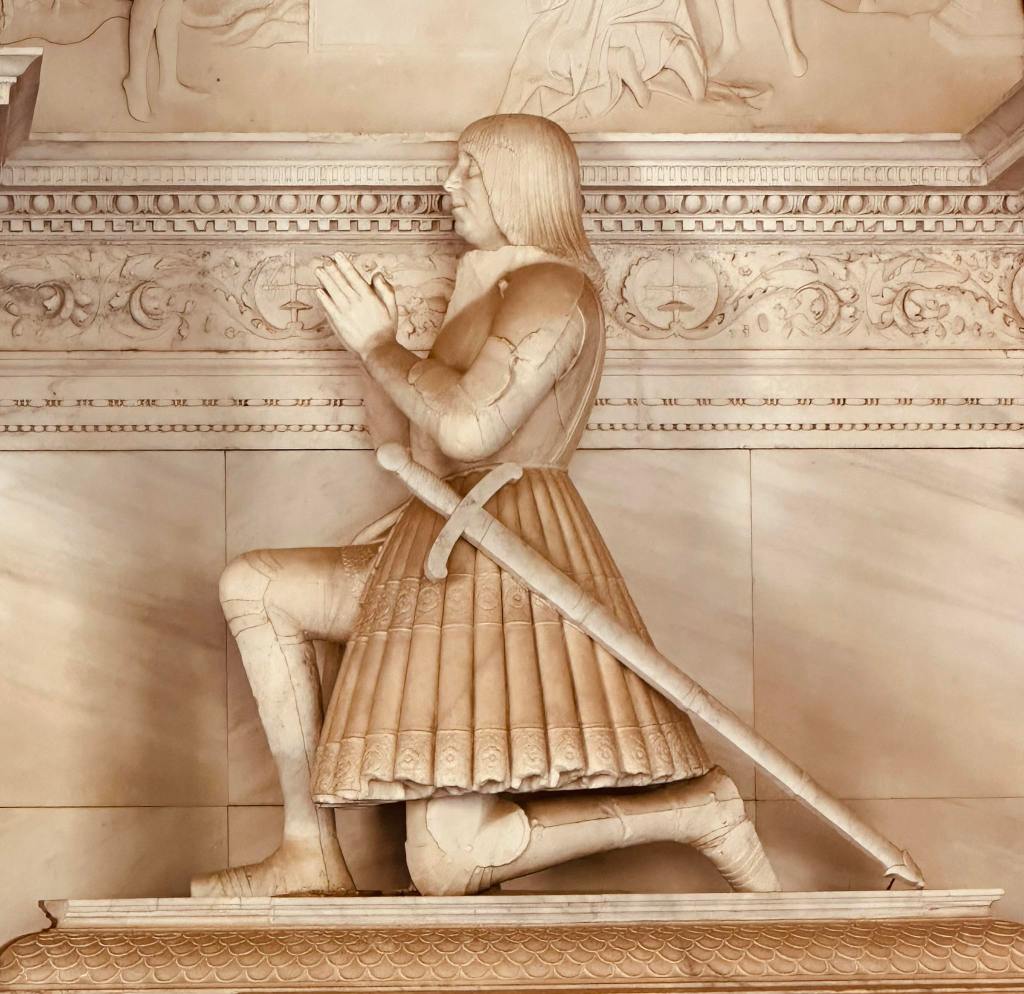
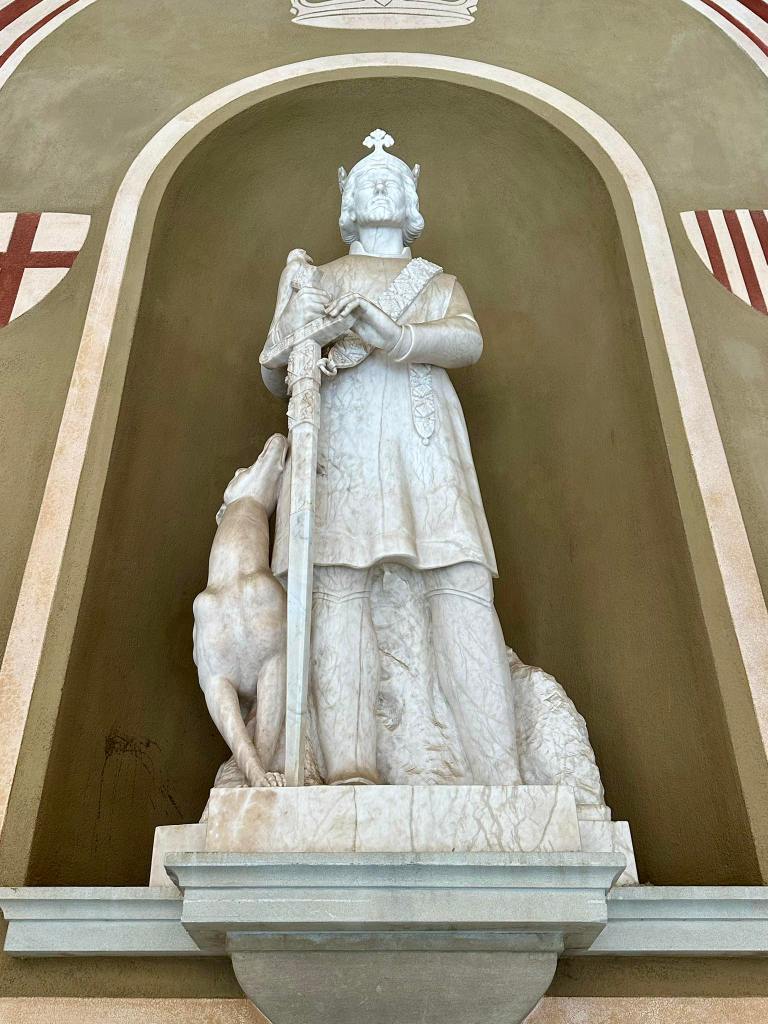
I also made it to the Maritime Museum of Barcelona and spent time exploring the city’s medieval architecture, old cathedrals, statues of kings and knights, and layers upon layers of history built literally on top of one another. Roman foundations. Medieval kingdoms. Maritime empires. Modern Spain. Barcelona feels less like a city and more like a timeline you can walk through.
And naturally, because my brain is permanently wired toward history and Norse nonsense, I had to ask the important question:
“What exactly were the Vikings doing in the Iberian Peninsula?”
Turns out — quite a lot, besides eating all the Iberian ham.
The Vikings Went Everywhere
Most people imagine Vikings in cold fjords, raiding English monasteries beneath gray skies while dramatic music plays in the background.
What many people don’t realize is that the Norse traveled astonishing distances during the Viking Age.
They reached:
- North America
- The Middle East
- Constantinople
- North Africa
- The Mediterranean
- And yes — the Iberian Peninsula
The Viking Age was not just a northern European phenomenon. It was one of the great expansion eras in medieval history.
Standing along the coast in Barcelona, staring out across the Mediterranean, it honestly wasn’t difficult to imagine longships somewhere on the horizon over a thousand years ago.
History feels different when you stand where it happened.
Why Iberia?
During the Viking Age, the Iberian Peninsula was wealthy, fragmented, and strategically important.
To the south stood Al-Andalus — the Muslim-controlled territories ruled by the Emirate, and later Caliphate, of Córdoba. This was one of the richest and most advanced regions in Europe at the time.
To the north were Christian kingdoms like:
- Asturias
- León
- Navarre
- Galicia
- Early Castile
There was gold, silver, trade, spices, textiles, and active maritime commerce flowing through Iberia.
To Vikings, this basically translated to:
“There is a tremendous amount of valuable stuff here.”
The Norse followed coastlines and rivers like wolves following blood trails. Their longships allowed them to strike quickly, raid inland via river systems, and disappear before large armies could respond.
And Iberia had rivers that led directly into wealthy cities.
That became very clear in 844 AD.
844 AD — The Vikings Raid Seville
One of the most dramatic Viking raids in Iberian history occurred in 844.
A large Norse fleet attacked along the Atlantic coast of the peninsula, raiding parts of Galicia and Portugal before moving south toward Muslim-controlled territory.
They struck Lisbon.
Then they kept going.
Eventually, the Vikings sailed up the Guadalquivir River and attacked Seville. For a brief moment, the Vikings actually captured the city. Think about how absurd and incredible that sounds. Scandinavian raiders from the far north occupying one of the wealthiest Islamic cities in medieval Europe.
Muslim chroniclers referred to the Vikings as the Majus — pagan fire worshippers or heathens from the north — and described widespread panic during the attack.
But the Norse overplayed their hand.
The Emir Abd ar-Rahman II rallied forces from Córdoba and counterattacked decisively. Many Vikings were killed, captured, or executed. Others fled back to their ships.
The raid shocked the region so badly that the Muslim rulers strengthened naval patrols, watchtowers, and coastal defenses afterward. The Vikings had discovered that Iberia was wealthy. Iberia had discovered that Vikings were everyone else’s problem too.
The Great Mediterranean Adventure
In 859 AD, another major Viking expedition entered Iberian waters, possibly led by the legendary Björn Ironside and the Viking chieftain Hastein. This expedition became one of the wildest Viking journeys ever recorded.
The Norse raided:
- Iberia
- Southern France
- North Africa
- The Balearic Islands
- Parts of Italy
According to some accounts, they even attempted to attack Rome itself — though they allegedly mistook another city for Rome. Which feels aggressively on-brand for Vikings.
These expeditions were not random chaos. The Vikings were testing trade routes, searching for wealth, capturing slaves, gathering intelligence, and establishing influence across the Mediterranean world.
They were explorers as much as raiders. Violent explorers. But explorers nonetheless.
Did Vikings Reach Barcelona?
This is where things become more speculative.
There is limited hard evidence of a major Viking presence in Catalonia specifically, especially compared to western Iberia and Andalusia. Most documented Viking activity concentrated along the Atlantic coasts and major river systems.
But the Mediterranean Norse expeditions absolutely operated throughout the region. And given the sheer range of Viking movement during this era, it is entirely possible that Norse traders, raiders, or mercenaries passed through or near the Catalonian coast at various points.
Standing in Barcelona’s old maritime districts, it is difficult not to imagine it. Especially when you realize how connected the medieval world truly was.
Walking Through Layers of Civilization
One of the things that struck me most while exploring Barcelona was how civilizations stack themselves atop one another.
You can walk from Roman stonework into medieval alleyways and then emerge into modern Spain within minutes.
The Gothic Quarter especially feels ancient in a way that’s difficult to describe unless you’ve experienced it firsthand.
You can see:
- Roman walls
- Medieval towers
- Old churches
- Ancient defensive gates
- Maritime symbolism everywhere
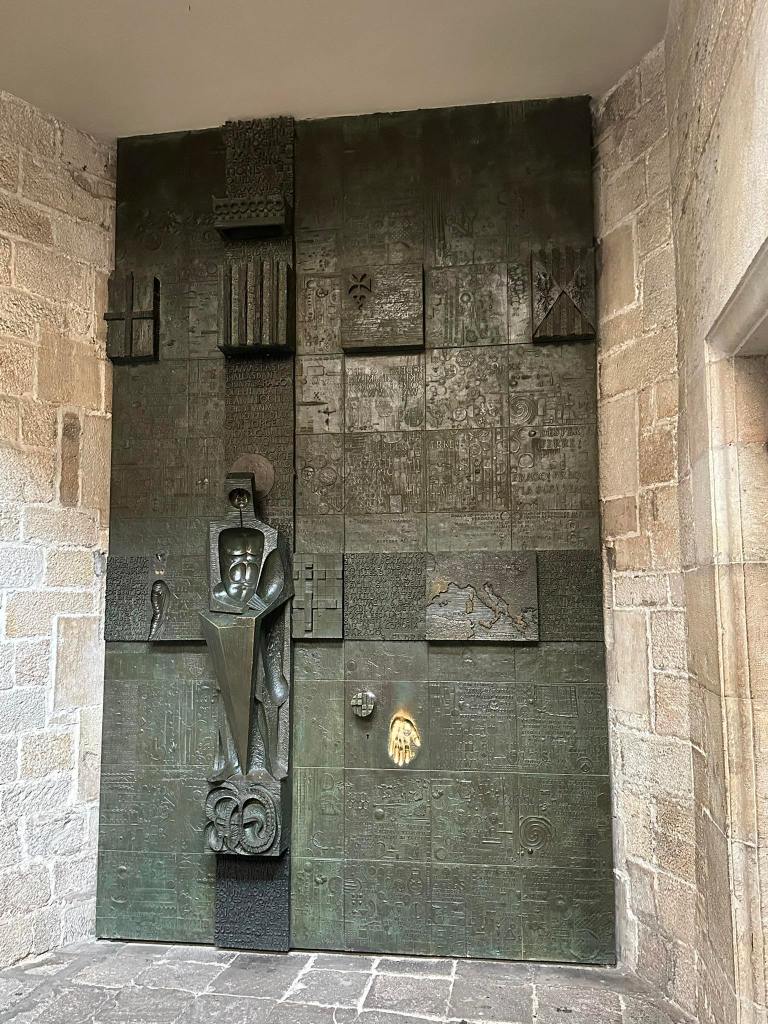
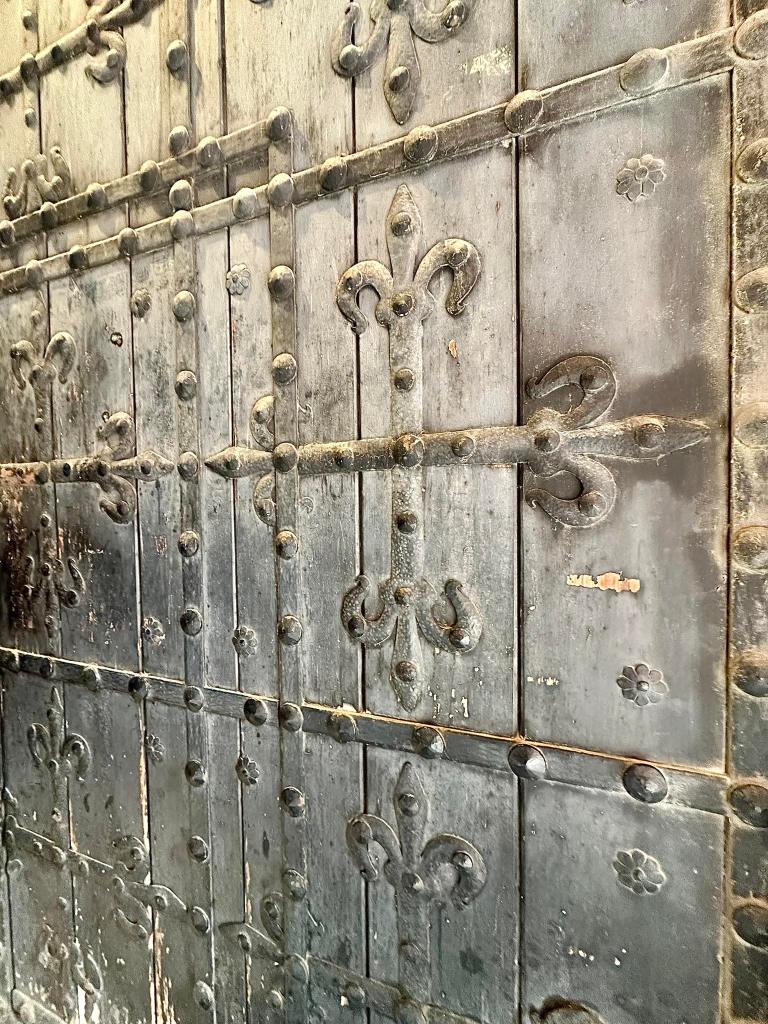
At one point I found myself staring at heavy iron-bound doors and weathered stonework wondering how many wars, kingdoms, invasions, and generations had passed through them.
You begin to understand that history is not abstract. It happened to real people standing in real places. And occasionally those people were Vikings showing up uninvited in longships.
Vikings, Trade, and the Islamic World
Another overlooked aspect of Viking history is just how interconnected they became with the Islamic world.
The Norse did not merely raid Muslim territories.
They traded with them extensively.
Arabic silver coins have been found all across Scandinavia. Viking trade networks stretched through Eastern Europe into the Abbasid Caliphate. Norse merchants exchanged:
- Furs
- Amber
- Slaves
- Weapons
- Walrus ivory
In return they received:
- Silver
- Silk
- Spices
- Luxury goods
The Vikings were not isolated barbarians living at the edge of civilization. They were deeply plugged into international trade networks. Which makes their presence in Iberia even more fascinating. The peninsula was not simply a raiding target — it was part of a larger world the Norse increasingly interacted with.
The Human Side of History
Travel has a strange way of making history feel personal.
Reading about Viking raids in a book is one thing.
Standing beside Roman walls in Barcelona while imagining Norse ships somewhere beyond the horizon is something entirely different.
The same sea the Vikings crossed still crashes against those shores. The same medieval streets still twist through the old city. The same towers still rise above the skyline.
History stops feeling dead.
It starts feeling hauntingly alive.
And honestly, that’s part of why I love studying this period so much. The Viking Age wasn’t just about warfare or conquest. It was about movement. Exploration. Curiosity. Cultures colliding and reshaping each other.
The medieval world was far more interconnected than we often imagine.
Final Thoughts
Barcelona was incredible, and I’m already looking for an excuse to return. It’s one thing to study history from thousands of miles away. It’s another thing entirely to stand inside it.
And while the Vikings never established major kingdoms in Iberia the way they did in England or Normandy, their presence was absolutely felt across the peninsula. From the raids on Seville to Mediterranean expeditions, the Norse left their mark even here — beneath the Iberian sun.
Though if we’re being honest, somewhere along the journey they probably discovered jamón ibérico and briefly considered retiring from raiding altogether.
Frankly, I would understand.

